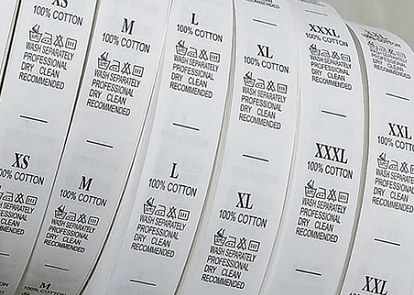
Overview
Synthetic labels use plastic and polyester substrates — PE (polyethylene), PET and PES (polyester) — instead of paper, so they resist water, oil, tearing, chemicals and temperature extremes.
They are made for the places paper fails: on products and drums, in the wash, outdoors and across industry. Printed with resin or wax/resin ribbons for a permanent bond.
Key features
- PE, PET and PES substrates
- Water-, oil- and tear-resistant
- High- and low-temperature constructions
- Long-life and outdoor durability
- Available in non-flammable versions
Applications
Answers
Synthetic Labels — FAQ
What are synthetic labels made of?
Our synthetic labels use PE, PET and PES films. They resist water, oil, chemicals and tearing far better than paper.
When should I use a synthetic label instead of paper?
Choose synthetic when labels face moisture, chemicals, abrasion, temperature extremes or outdoor exposure, or when they must stay legible for a long time.
How are synthetic labels printed?
Print them with thermal transfer using a wax/resin or resin ribbon for the best durability. We match the ribbon to the film.
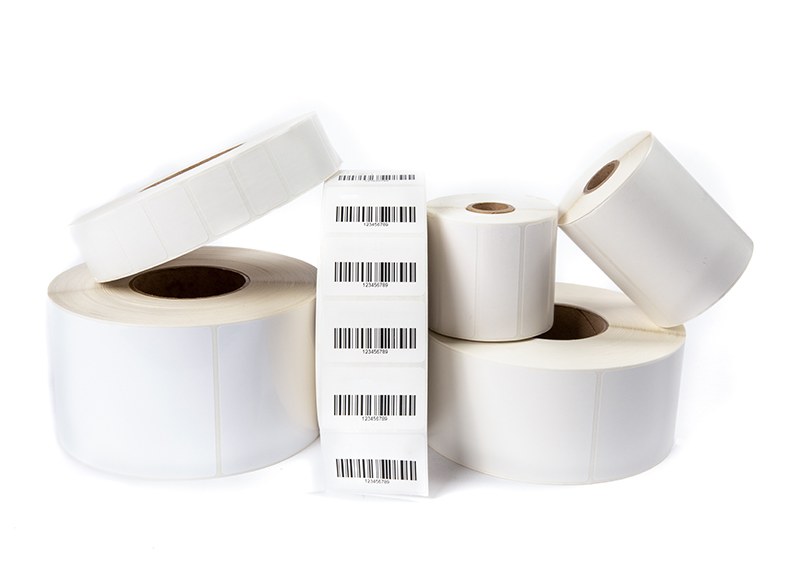
Direct Thermal Labels
No ribbon required — fast, clean printing for short-life labelling: shipping, logistics and food rotation.
View product →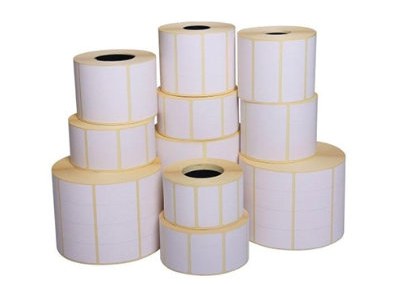
Thermal Transfer Labels
Paper and film self-adhesive rolls printed with ribbon — the versatile, long-lasting workhorse of labelling.
View product →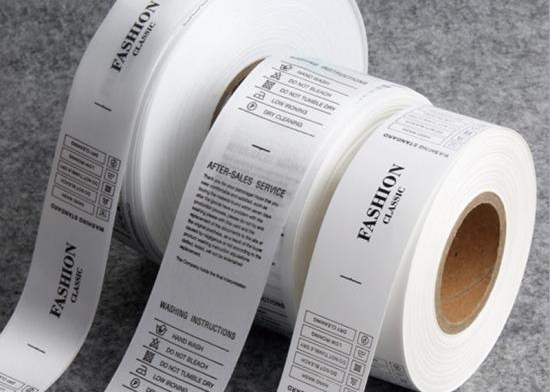
Textile Labels
Woven and printed brand, size and composition labels for garments — made to survive washing and wear.
View product →